
Air freight costs several times what ocean does per kilogram. Everyone knows this. It’s why the decision looks obvious and why so many importers get it wrong in both directions.
The rate is the wrong number to decide on. The right number includes what those extra weeks on the water cost you — in capital, in stockouts, in markdowns on goods that arrived after the season they were bought for.
Start with value density
The single most useful number in this decision is value per kilogram: what your goods are worth divided by what they weigh.
High value density — small, light, expensive items — means freight is a small fraction of goods value either way. Air barely moves your landed cost per unit, and buys you weeks.
Low value density — bulky, heavy, inexpensive items — means freight is a large fraction of goods value. Air can add more to your unit cost than your entire margin.
Furniture, homeware, and most bulky consumer goods sit firmly at the ocean end. Electronics accessories, jewellery, and high-margin branded goods often sit at the air end. Everything else is a judgement call — which is what the rest of this article is for. How that freight line sits inside the full DDP stack: how DDP pricing from China to the US actually works.
Then price the waiting
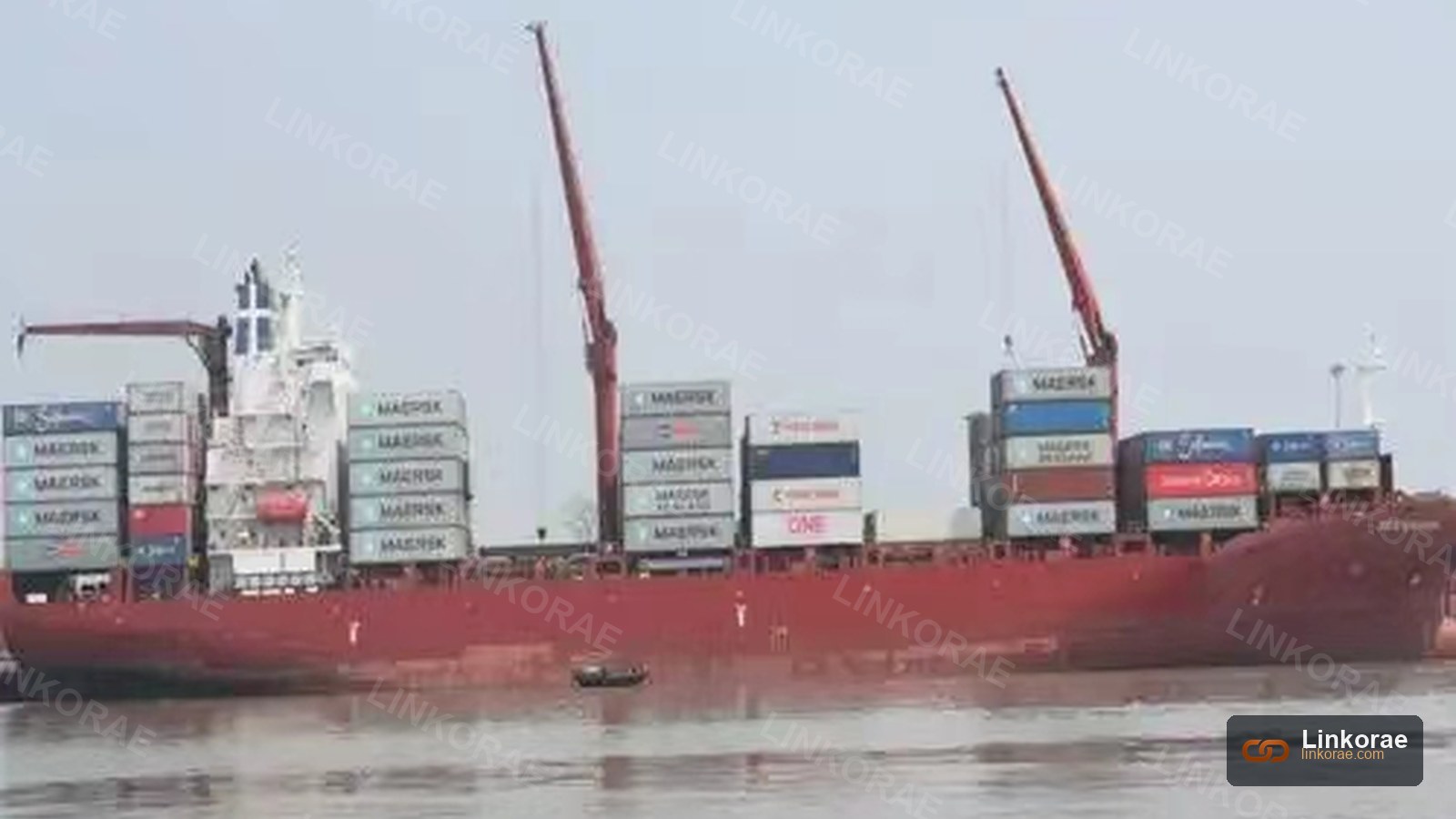
Ocean transit from South China to the US West Coast runs a few weeks; East Coast longer. Add origin consolidation, destination clearance, and drayage, and door-to-door is meaningfully longer than the sailing time alone. Air compresses that to days. Which coast changes the ocean side of this: West Coast or East Coast.
That difference has three costs most importers never calculate:
1. Capital tied up in transit. Goods on the water are money you’ve paid for and can’t sell. Multiply your order value by the extra weeks, at your real cost of capital — which for most growing sellers isn’t a bank rate, it’s the return you’d get deploying that money into more inventory or more ads.
2. Stockout cost. For Amazon sellers this is the big one, and it’s rarely just lost sales. Running out affects ranking, and recovering ranking costs more than the missed revenue did.
3. Season and markdown risk. Goods that arrive after their window sell at a discount, or don’t sell. If your product has a seasonal peak, arriving three weeks late can cost more than the entire freight difference.
The comparison that actually works
Don’t compare freight rates. Compare total cost per unit of sellable inventory:
Run that for both options. Sometimes air wins on a product where the rate comparison said it was absurd. More often ocean wins comfortably, and now you know by how much — which is worth knowing when someone tries to sell you urgency.
The strategies that beat picking one
Most experienced importers don’t choose. They split:
- Air the first batch, ocean the rest. New product launches carry the most uncertainty and the highest cost of being late. Get a small quantity in fast, start selling and gathering reviews, and let the bulk follow by sea.
- Ocean the base, air the top-up. Forecast conservatively, ship the base load by sea, and use air to cover the gap when a product outruns your forecast. The air premium on 15% of your volume is cheap insurance against a stockout on the other 85%.
- Air the tail end of a season. When the window is closing, the freight premium is trivial next to a markdown.
- Ocean express services. Some transpacific services run meaningfully faster than standard at a premium below air. If your deadline is tight but not desperate, this is often the answer nobody offered you.
What changes the maths in 2026
Two things worth factoring in.
Duty is now often the largest line in your landed cost. For many China-origin categories, the combined duty stack exceeds the freight bill outright. That compresses the relative impact of the air-versus-ocean choice — the gap between them is a smaller share of total landed cost than it used to be. In practice that tilts marginal decisions slightly toward air on time-sensitive goods. How the stack is built: is Section 301 included in your DDP price?
Rate volatility cuts both ways. Both modes have had sharp swings. A decision made on last quarter’s spread may not hold this quarter. Rerun it on live numbers rather than on a rule of thumb you set two years ago.
Questions to answer before you decide
- What is my value per kilogram?
- What’s my real weekly cost of capital?
- Is there a hard deadline, and what does missing it cost?
- Am I at risk of a stockout, and what does recovery cost?
- Is this product seasonal?
- Could a split shipment get me most of the speed for a fraction of the premium?
We’ll run both for you
Send cargo details and we’ll quote air and ocean side by side, with transit times and the full cost stack for each — so you can run the comparison above on real numbers. Free, no obligation. Mon–Sat, 08:00–22:00 China time (GMT+8).
Transit times are indicative and vary by service, season and port conditions. Current as of August 2026. This is general information, not legal advice.