
Any article that tells you “DDP from China to the US costs $X per kg” is either quoting a rate that expired weeks ago, or quoting a rate that only applies to cargo unlike yours. Freight pricing moves with fuel, season, capacity, lane, and — increasingly — with tariff policy that changed twice in the first half of this year.
What we can give you is more useful than a stale number: the structure of the price, what moves each layer, and the eight facts about your shipment that determine your figure. Once you have those, you can read any quote you receive and tell whether it’s real.
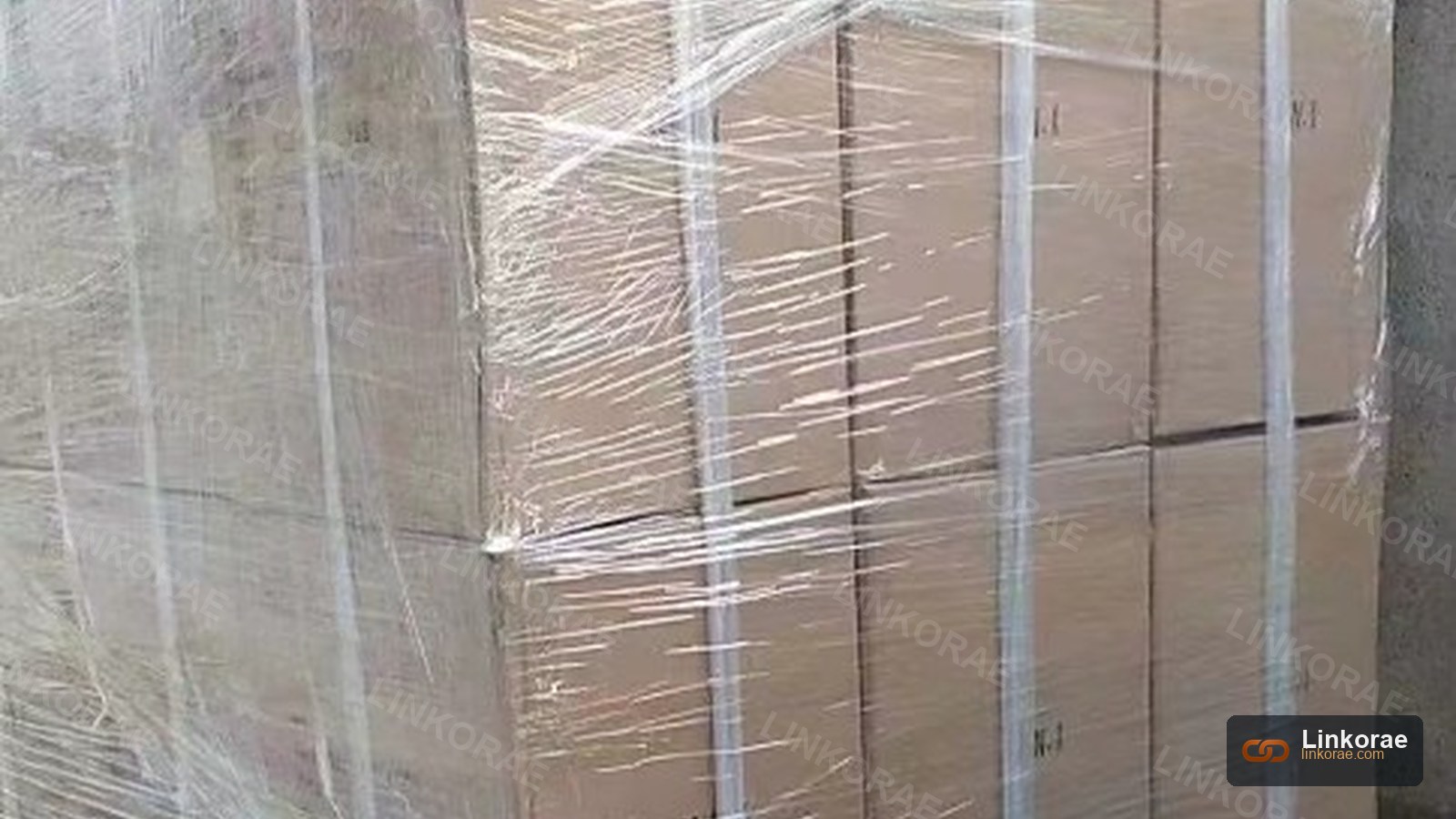
The cost stack
Every DDP price, from every forwarder, is built from the same six layers. The total varies enormously. The structure never does.
- Origin — factory pickup, export clearance, origin terminal charges, consolidation
- International freight — ocean or air rate, fuel, peak season surcharge, security fees
- Destination port — import clearance, terminal handling, container release, chassis
- Duty stack — base MFN rate, Section 301 list rate, Section 301 forced-labour duty, any AD/CVD
- Final mile — drayage or LTL, appointment, liftgate, residential, redelivery
- Provider margin
Print that. Then ask every forwarder to quote you against it, line by line. Half the “cheap” quotes in your inbox will change once they have to show which layer they’re actually cheaper on. What sits just outside the quote: what DDP actually includes — and what it doesn’t.
What moves each layer
Origin is the most stable and the smallest. It moves with cargo readiness, whether your packaging needs work, and whether your cartons are ready to load or need repacking.
International freight is the most volatile. It moves with capacity, season, fuel, and route disruptions. Ocean rates on the transpacific can swing substantially within a single quarter. Air moves faster still, and follows belly capacity on passenger routes. How to choose between them: air or ocean — compare total cost of waiting.
Destination port is relatively stable until something goes wrong — and when it does, it goes wrong expensively. Demurrage and per-diem accrue daily and are not in anyone’s base quote. Which coast you pick changes this layer more than the ocean rate: West Coast or East Coast.
The duty stack is now, for many product categories, the largest single line in the whole price. This is the change most importers haven’t fully internalised. Freight optimisation of 10% is meaningless next to a duty exposure that runs above 40% of goods value. If you’re spending your negotiating energy on the freight line and not on classification accuracy, you’re optimising the wrong number. How the 2026 stack is built: is Section 301 included in your DDP price?
Final mile is the layer most commonly underestimated, especially on light bulky goods. A delivery that needs a liftgate, a residential address, or an FBA appointment costs materially more than a commercial dock delivery, and those charges rarely appear in an opening quote.
Margin varies more than people assume — but if one quote is 30% below the others, the gap is almost never margin. Margin doesn’t have 30% of room in it.
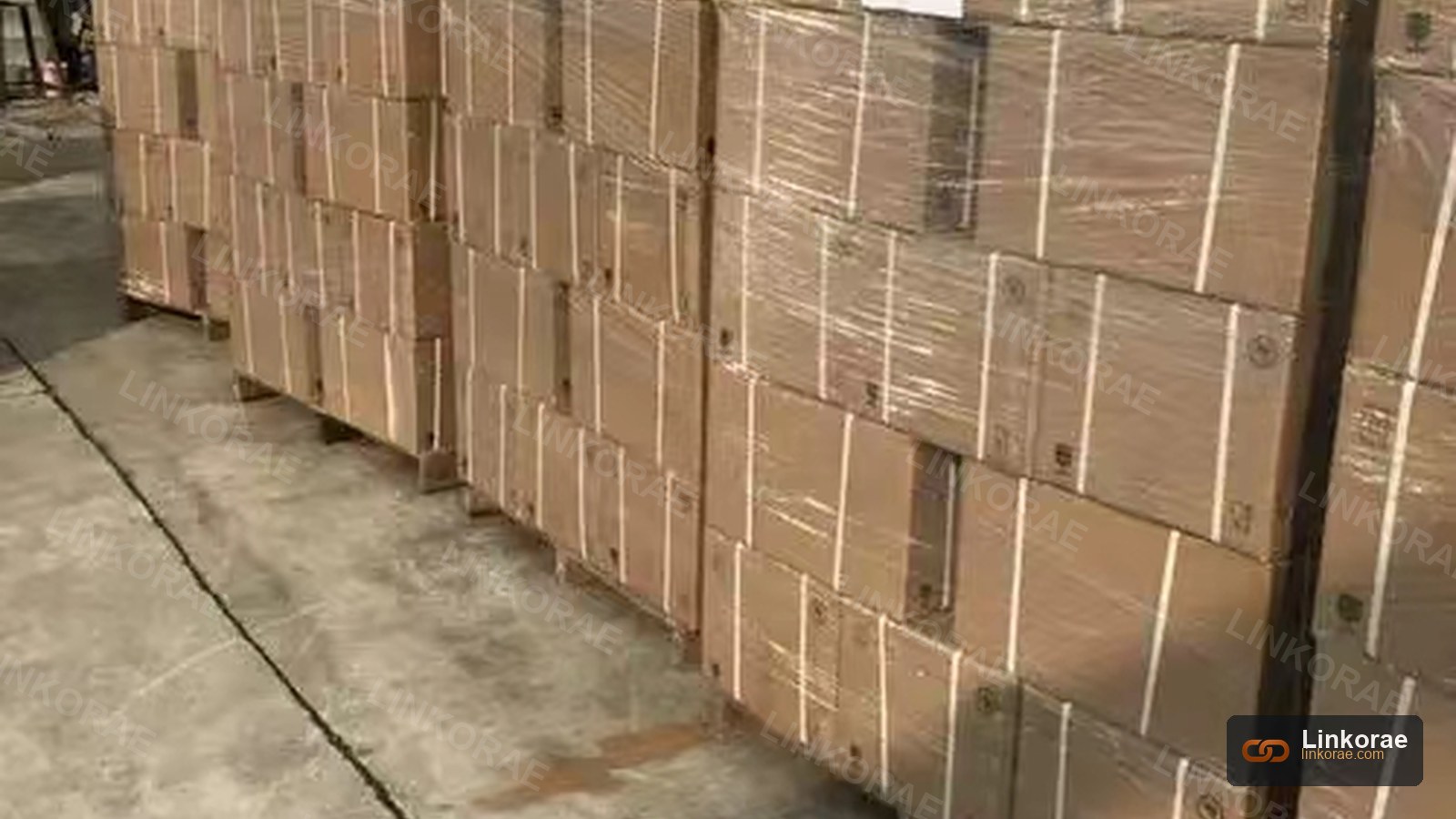
Why per-kg and per-container prices can’t be compared
A common mistake: getting an air quote in dollars per kg and an ocean quote per container and trying to reason across them. They price different things.
Air is charged on chargeable weight — the higher of actual weight and volumetric weight. Dense cargo is cheap by volume and expensive by weight. Light bulky cargo is the opposite.
Ocean FCL is charged on the box, whether you fill it or not. Ocean LCL is charged on volume or weight, whichever is greater.
So the honest comparison isn’t rate-to-rate. It’s total landed cost per unit of sellable inventory, including the cost of the capital sitting on the water.
The eight facts that determine your number
Anyone who quotes you without these is guessing. Have them ready and your quotes get faster, firmer, and more comparable:
- Product description and HTS code. Drives the duty stack, which is now often the biggest line.
- Actual weight and dimensions per carton, and carton count. Drives chargeable weight and volume.
- Destination type. Commercial dock, residential, 3PL, or Amazon FBA — each carries different final-mile costs and requirements.
- Whether an appointment is required. FBA and most 3PLs need one; missed appointments cost storage plus rebooking.
- Cargo characteristics. Batteries, liquids, powders, magnets, or anything requiring certification changes the available lanes.
- Oversize or overweight pieces. A single piece over carrier limits can change the entire routing.
- Required transit time. Firm deadline or flexible window — this is the single biggest lever on price.
- Annual volume. A one-off and a monthly programme are priced differently, and honestly so.
Notice how few of these are about freight. Most of what determines your price is about your cargo and your destination, not about the ocean.
How to read a quote you’ve received
- Is the Incoterm stated? DDP against FOB is not a comparison.
- Is the HTS code stated? If not, the duty figure is a guess.
- Is chargeable weight shown, and how was it derived?
- What’s excluded? Exam fees, demurrage, storage, redelivery, liftgate, appointment failure — ask explicitly.
- What happens if the duty rate moves before entry?
- Who is the Importer of Record?
Six questions. They take one message to send and they remove most of the spread between quotes. What remains after that is a real price difference — and then, by all means, take the cheapest one. How to force competing quotes onto one basis: is the cheapest freight quote the best one? Who files the entry: what DDP actually covers, and who is legally responsible.
Get your actual number
Send us your product details, carton dimensions and weights, and destination. We’ll come back with a quote that shows every layer above separately, so you can see exactly what you’re paying for and compare it against anything else you’ve received.
Free, no obligation — and if another quote you’ve received is genuinely better, we’ll tell you that too.
Send the cartons. We’ll show every layer.
Product, dimensions, weights, destination. Layer by layer, so you can compare it with anything else in your inbox. Free, no obligation. Mon–Sat, 08:00–22:00 China time (GMT+8).
Structure current as of August 2026. Tariff rates and customs regulations are subject to change; confirm with a licensed customs broker. This is general information, not legal advice.