
Most import problems are financial. This one isn’t.
Customs does not fine you and release the goods. Suspected counterfeits are seized and destroyed, and the importer of record carries the exposure. The cargo is gone, the money is gone, and there is a record against the importer.
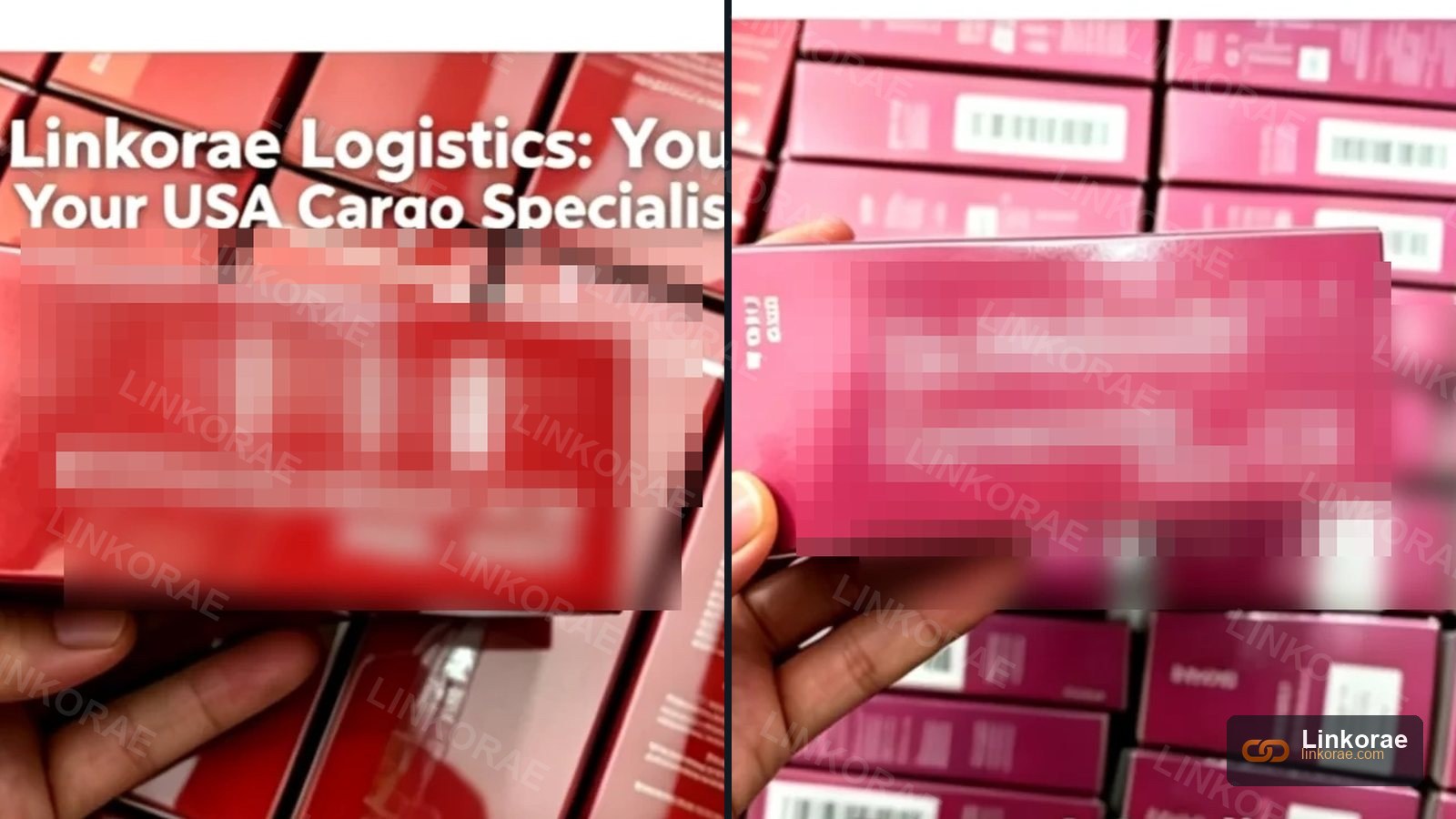
Branded goods ship legitimately every day. They ship with written authorisation, and they ship with a declaration that matches the mark on the product. Without both, we don’t carry them.
Why the downside is different here
Compare the failure modes:
| Problem | Worst case |
|---|---|
| Wrong HS code | Duty adjustment, possible penalty |
| Missing FDA registration | Detention, refile, delay |
| Overweight carton | Surcharge |
| Suspected counterfeit | Goods seized and destroyed, penalty exposure, importer record |
Every other item on that list costs you time or money. This one costs you the cargo, permanently, with nothing to recover.
There is no version of this where the loss is limited to the freight. That is why we treat it as a hard gate rather than a documentation preference.
How the goods get flagged
Rights holders register their trademarks and copyrights with US Customs. Registered marks sit in a database that customs officers check against. A shipment gets pulled when any of these appear:
- A registered mark on the product, packaging or labelling
- A logo, distinctive shape or design element associated with a registered brand
- A declared value far below the market price for that brand
- A generic declaration — “shoes”, “handbags” — on cargo that turns out to carry a mark
- Rights-holder intelligence about a specific shipper, route or product line
The last one catches people out. Brands actively monitor import channels and tip off customs. Once a shipper is associated with a seizure, subsequent shipments get looked at more closely.
What we accept
Branded goods, with written authorisation. The authorisation has to:
- Come from the brand owner or an authorised licensee
- Name the shipper — an authorisation issued to someone else does not transfer
- Cover the specific products in the shipment
- Be current
We keep it on file against the booking. If customs asks, the answer exists before the question.
Own-brand and unbranded goods. No issue — the declaration just has to match what is in the box.
Licensed goods with a licence agreement. Same standard as authorisation.
What we don’t accept
Major-brand goods without authorisation. No exceptions, no case-by-case. If the shipper cannot produce authorisation in their own name, the booking does not proceed.
This includes the situations people most often ask about:
Grey-market parallel imports are still a rights-holder matter, and customs cannot tell them from counterfeits at the border.
Quantity does not change the classification.
That is a false declaration, and it converts a customs problem into a fraud problem.
Packaging carries the mark.
Amazon sellers: two separate gates
If you are shipping to FBA, you have to clear both, and clearing one does not help with the other.
Gate 1 — US Customs. Does the shipment carry a mark you are authorised to import?
Gate 2 — Amazon. Brand Registry, invoice authenticity checks, and category approvals are Amazon’s rules, applied after the goods have already entered.
A shipment can clear customs and still be blocked by Amazon, and a Brand Registry approval means nothing to a customs officer. Plan for both.
Before you book, send us this
- Product photos showing all sides, including the packaging and any labelling
- Every mark that appears on the product, packaging, manual and inner labels
- The authorisation letter, if a mark is present
- The declared value, and the retail price the goods are intended to sell at
Point 4 matters more than people expect. A branded product declared far below its market value is the single most reliable trigger for an inspection, even when the goods are entirely legitimate.
What we can and can’t do
We can review the declaration before it is filed, tell you whether a mark will draw attention, and hold the authorisation on file against the shipment.
We can’t obtain brand authorisation for you, and we cannot recover seized goods. Once cargo is seized as counterfeit, it is a matter between the importer of record, the rights holder and CBP.
Our liability on a seizure caused by an undeclared mark is limited to the freight paid. We say this plainly at quoting stage rather than at claim stage, because the asymmetry is the whole point: your cargo is worth many times what you paid us to move it.
Not sure whether your product counts as branded?
Send photos of the product and the packaging. We will give you a straight answer the same working day — including when the answer is that we won’t carry it. Mon–Sat, 08:00–22:00 China time (GMT+8).
This guide is general information, not legal advice.