
A quick disclosure: we are a freight forwarder, not a sourcing agent. We don’t take commission from factories and we’re not going to introduce you to one.
What we do have is a vantage point most sourcing guides don’t. Around a thousand shipments a year pass through our warehouse in Shenzhen, and we open a lot of them. We see what suppliers actually shipped, not what they promised. By the time cargo reaches us, the sourcing decision is already made — and the consequences of that decision are usually visible in the first carton.
You want the lowest price and high quality. In most categories, those are two different suppliers. That isn’t a Chinese manufacturing problem. It’s arithmetic.
A factory quoting 30% below the market on the same specification is doing at least one of the following:
- Using a lower grade of raw material
- Running a shorter or simpler process
- Skipping a certification your market requires
- Sharing tooling instead of building yours
- Cutting packaging
- Buying components from a sub-supplier they don’t audit
- Quoting a price that assumes a volume you won’t reach
None of those is fraud. Every one of them is a specification difference presented as a price difference.
The useful goal is not “cheapest and best.” It is the lowest price at a quality level you have actually defined. Most sourcing failures happen because the second half of that sentence was never written down. Same logic, on the freight side: is the cheapest freight quote the best one?
Where price differences legitimately come from
Factory versus trading company. A trading company adds a margin — but it also adds coordination, quality follow-up, and often the ability to combine several factories into one shipment. For small orders, that margin can be cheaper than managing four suppliers yourself. For large orders, it’s dead weight.
Cluster location. Chinese manufacturing is intensely geographic. Furniture concentrates around Foshan and Shunde. Lighting in Zhongshan. Small consumer goods in Yiwu. Electronics in Shenzhen and Dongguan. Hardware in Yongkang. Home textiles in Nantong. A factory inside its cluster has cheaper components, faster tooling, and a deeper labour pool than an identical factory outside it. Sourcing from the wrong region costs money for no benefit.
Order volume and MOQ. The price at 500 units and the price at 5,000 are different businesses. A quote is meaningless without the quantity it assumes.
Tooling. Whether the mould cost is amortised into the unit price or charged separately changes the comparison completely.
Certification burden. A factory already producing to a standard your market requires carries that cost in its price. One that doesn’t, doesn’t — until you need the documentation. What those filings look like on US entry: what you can and can’t ship from China to the US.
If a supplier is cheaper for one of these reasons, they can explain it. Ask them to.
Telling a factory from a trading company
Nothing wrong with either. Knowing which you’re talking to changes how you negotiate.
- Check the business licence. Every Chinese company has a unified social credit code. Verify the registration on the national enterprise credit information system. Look at the registered scope of business (经营范围): manufacturing (生产) reads differently from wholesale and sales (批发、销售). Check registered capital and date of establishment.
- Ask for the export licence and see whose name is on it. Then ask whose name will appear on the commercial invoice. If the answers differ, there’s an intermediary. On DDP that name also sits next to who files the entry: who is legally the Importer of Record.
- Ask a process question they’d have to look up. “What’s your cycle time on this part?” “How many injection machines and what tonnage?” “What’s the yield on this finish?” A factory answers immediately. An intermediary answers tomorrow.
- Ask for a video call from the production line. Not a facility video — a live call, moving through the area making your product. This single request eliminates a large share of misrepresentation, and costs you nothing.
- Ask what else they make. A factory has a narrow, related range. A trading company’s catalogue sprawls across unrelated categories.
Platform badges are not quality signals. Supplier status levels and years of membership on B2B platforms are purchased, not earned through inspection. Treat them as evidence of marketing budget.
What bad sourcing looks like when it reaches our warehouse
This is the part we can tell you that a sourcing blog can’t. These are the signals we see on arrival, and each one predicts a specific downstream problem.
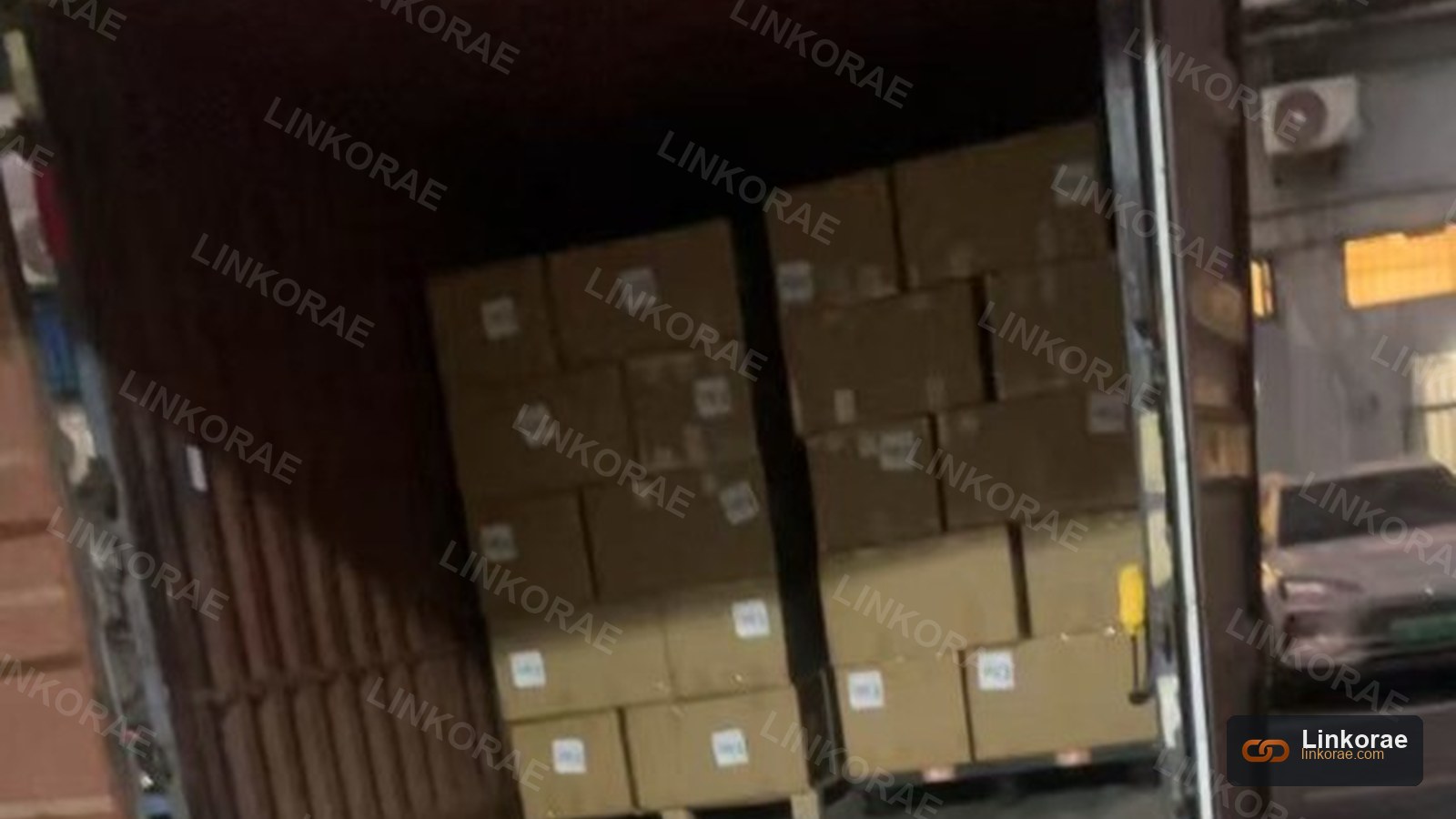
- Cartons that don’t match. Different box sizes, different board grades, different print quality within one order. Almost always means production was split across sub-suppliers the seller doesn’t control. Expect quality variation inside.
- Actual weight doesn’t match the proforma invoice. Sometimes packaging. Often material substitution. Either way, it changes your freight cost and it’s a question worth asking before you pay the balance.
- Packaging designed for a truck, not a vessel. Thin single-wall cartons, no inner cushioning, no pallet plan. Fine for domestic delivery. Not fine for a container that will be handled six times and cross an ocean. This is the single most common problem we see, and it’s entirely preventable at the factory.
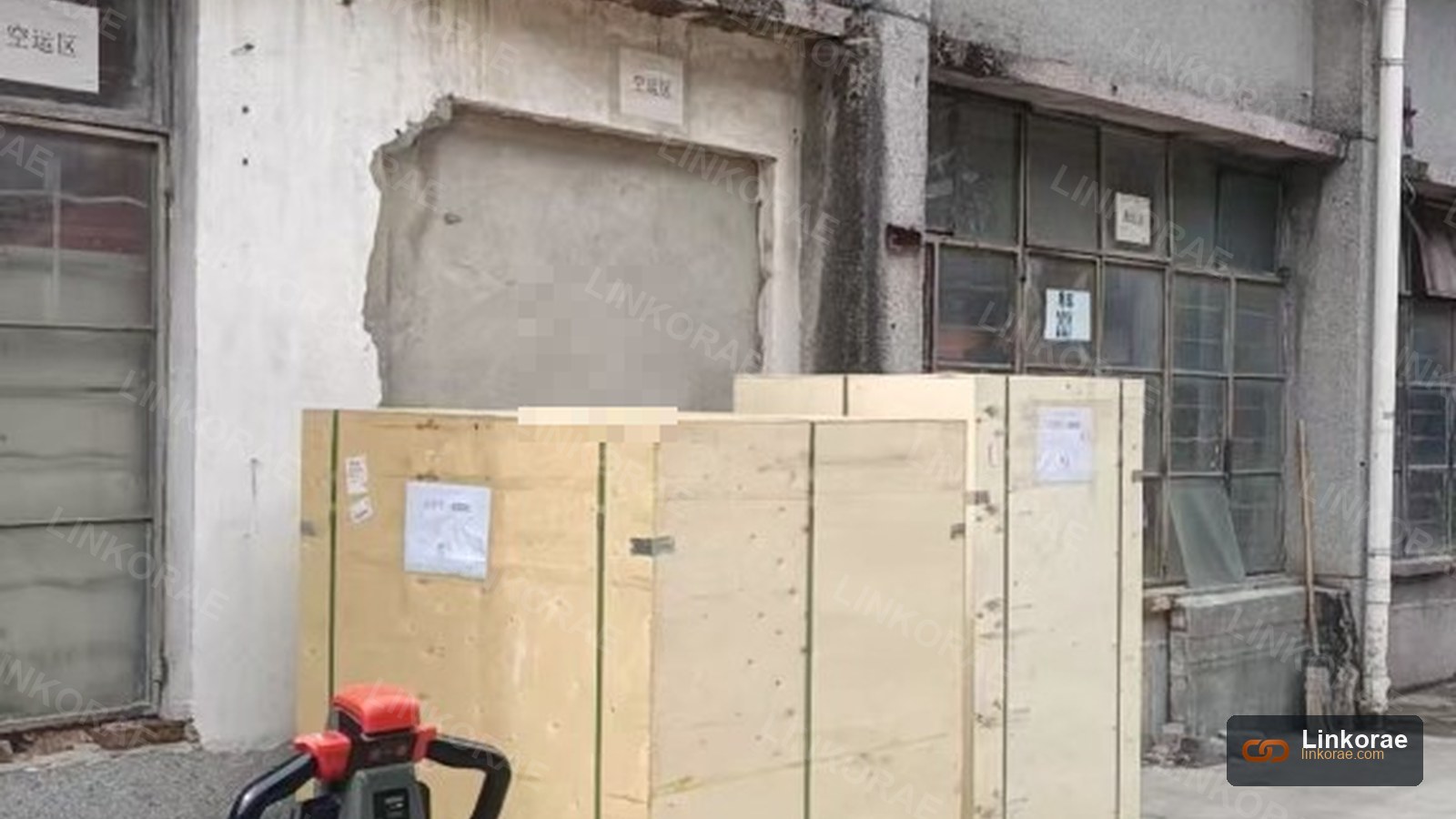
- Raw unmarked wood in crates or pallets. Solid wood packaging entering the US must be treated and marked. Unmarked raw wood can hold an entire container. Suppliers who don’t export regularly get this wrong constantly.
- No barcodes, or barcodes that don’t scan. Predicts an FBA rejection.
- Documentation that arrives after the goods. MSDS, test reports, authorisation letters, certifications — if they’re being assembled after production rather than before, they may not exist.
- Labels from a company you’ve never heard of. Inner packaging with a different brand or factory name means your goods came from somewhere other than where you thought.
None of these are visible in photographs the supplier sends you. They are visible on arrival — which is why the checking has to happen before the goods are on the water, not after.
A process that actually works
- Write the specification before you ask for prices. Material grade, dimensions and tolerances, finish, packaging, carton dimensions and weights, labelling, certifications required, and acceptable defect rates. A price without a specification is not information. Send the same document to every supplier, or you’re not comparing anything.
- Get five quotes, discard the extremes. The highest is often a trading company with a padded margin. The lowest is usually a specification difference. The three in the middle are your real market.
- Interrogate the low quote instead of dismissing it. Ask what’s different. Sometimes the answer is legitimate — cluster location, existing tooling, spare capacity. Sometimes it reveals the substitution. Either way you learn more from asking than from assuming.
- Pay for samples, and pay for the second sample. The first sample is made by the boss’s best worker with the best materials. The second sample — ordered a month later, unannounced, under a different name if you can — tells you what production will look like. This costs a few hundred dollars and prevents most disasters.
- Book third-party inspection before shipment. Independent inspection firms operate throughout China and a pre-shipment inspection typically costs a few hundred dollars per man-day. On a five-figure order, this is the cheapest insurance available. Specify it in the purchase order, so payment of the balance depends on passing it.
- Structure payment so leverage survives production. A deposit with the balance against a passed inspection and correct documentation gives you something to negotiate with when a problem appears. Paying in full up front means every subsequent conversation is a request rather than a negotiation.
- Send the packaging specification to your forwarder before production. Not after. This is where we can genuinely help and where most buyers involve us too late. The cheapest moment to fix packaging is while it’s still a drawing.
Where to actually look
B2B platforms are the obvious start. Useful for discovery and for buyer protection on small orders. Understand that listing prices are opening positions, and that supplier badges are paid.
Domestic wholesale platforms show prices closer to the real factory level, but the listings are in Chinese, sellers usually can’t export, and you’ll need someone in China to buy, consolidate, and handle export. The price advantage is real but it isn’t free.
Trade fairs remain the fastest way to compress months of discovery into days. You see finish quality with your hands, meet several suppliers in a category in one afternoon, and pick up on things a website cannot show you.
Cluster visits beat everything if your order justifies the trip. A day in the right industrial town gives you a price reality no online research will.
Referrals from other importers in your category are the most undervalued source. Someone already shipping a similar product knows which factories deliver.
When cheapest genuinely is fine
We’re not arguing for always paying more:
- Simple, mature products. Standard commodity items with no certification requirement and unambiguous specifications. Less to get wrong.
- Test orders. When you’re validating demand rather than building a brand, buy cheap and learn fast.
- You have someone inspecting on the ground. With real QC in place, the price floor moves down safely.
- Low unit value, high margin. Don’t spend $2,000 on QC to protect a $3,000 order.
The rule isn’t “avoid cheap.” It’s “know exactly what makes it cheap.”
Where we fit
We don’t source. But we do see your cargo before you do, and there are two points where that matters:
Before production — send us your packaging plan and carton dimensions. We’ll tell you whether the cartons will survive an ocean container, whether the pallet configuration wastes volume you’re paying for, and whether the wood packaging will clear US customs. Cheaper to fix on paper than in a warehouse.
On arrival — we check what arrived against what was invoiced, photograph damage before it ships rather than after, and verify documentation exists before booking rather than after a hold.
Neither of those replaces sourcing due diligence. They just stop a sourcing problem from becoming a freight problem.
Send us your packaging plan
Shipping from China to the US? Send carton dimensions, weights, and packaging photos before production finishes. We’ll tell you what will survive the trip, what will clear customs, and what’s costing you volume you don’t need to pay for. Free, no obligation. Mon–Sat, 08:00–22:00 China time (GMT+8).
Regulatory requirements referenced here were current as of August 2026. Verify certification and customs requirements for your specific product with a licensed customs broker. This is general information, not sourcing or legal advice. We are a freight forwarder, not a sourcing agent.