
You asked five forwarders to price the same shipment. The spread came back at 40%, sometimes more. Same cargo, same port, same week.
The instinct is to assume the expensive ones are padding their margin. Sometimes that’s true. But a 40% spread on identical cargo usually means something else: you did not receive five quotes for the same thing. You received five quotes for five different scopes of work, five different declarations, and five different allocations of risk — presented in a format that makes them look comparable.
This is not “never buy cheap.” Sometimes the cheapest quote genuinely is the best one. You can’t know that until the quotes are actually comparable.
Where a lower price legitimately comes from
Start with the honest reasons. They’re real, and a good forwarder should be able to point to them.
- Volume on the lane. A forwarder moving forty containers a month on Shenzhen–LA has a different cost basis than one moving four. That’s not a trick. It’s scale.
- Direct contracts versus resale. A quote that passes through two intermediaries carries two margins. A forwarder with its own carrier contracts and its own warehouse removes a layer.
- Consolidation timing. If your cargo happens to fill a gap in a consolidation that’s already building, the marginal cost is genuinely lower.
- Lane specialisation. A forwarder that runs one lane deeply gets better rates and fewer surprises on it than a generalist.
- Willingness to take a thin margin on a first shipment. Some providers price the first booking near cost to earn the relationship. That’s a legitimate commercial decision — just know it’s what’s happening, and ask what the second shipment costs.
If a lower quote comes from one of these, the forwarder can explain it in one sentence. Ask. The answer tells you a lot.
Where a lower price comes from that should worry you
1. The declaration
This is the big one, and it’s the reason most large spreads exist.
Freight costs, terminal charges, and trucking are broadly similar across serious providers. The one variable with enormous room to move is what gets declared to US Customs: the HTS classification, the declared value, and the country of origin.
A shipment declared under a lower-duty classification clears at a lower landed cost. It also clears at a risk that does not stay with the forwarder. Under US customs law the Importer of Record carries responsibility for classification, valuation, and origin — and misclassification can result in back duties assessed retrospectively across prior entries, plus penalties. Detail: what DDP actually covers, and who is legally responsible.
The saving is immediate and visible. The exposure is delayed and invisible. That asymmetry is exactly why this practice persists.
If a quote is dramatically below the others, the most useful question is not “how are you so cheap.” It’s: “What HTS code and declared value will appear on the entry?” You are entitled to know before the goods move.
2. What the quote quietly excludes
“All-in” is a marketing term, not a defined one. Two quotes can both say all-in and cover different things. How those extras show up later: why the final bill can come in above the quote.
Charges commonly left outside a low quote:
| Charge | Typical trigger |
|---|---|
| Customs exam / X-ray | CBP selects your container |
| Demurrage | Container sits at port past free days |
| Per diem / detention | Container returned late |
| Warehouse storage | Cargo waits for an FBA appointment |
| Redelivery | First delivery attempt fails |
| Appointment failure | FBA slot missed, must rebook |
| Liftgate | No dock at destination |
| Residential delivery | Not a commercial address |
| Oversize / overweight | Piece exceeds carrier limits |
| Irregular packaging | Cannot be handled normally |
| Remote area | Destination outside standard zone |
| Address change after pickup | You change the destination |
| Fuel and peak season surcharges | Carrier applies them |
You will not incur most of these on most shipments. But a quote that excludes all of them is not cheaper than one that includes them — it is a different quote.
3. Risk priced out rather than managed
Some low quotes are low because the provider isn’t doing the work that costs money:
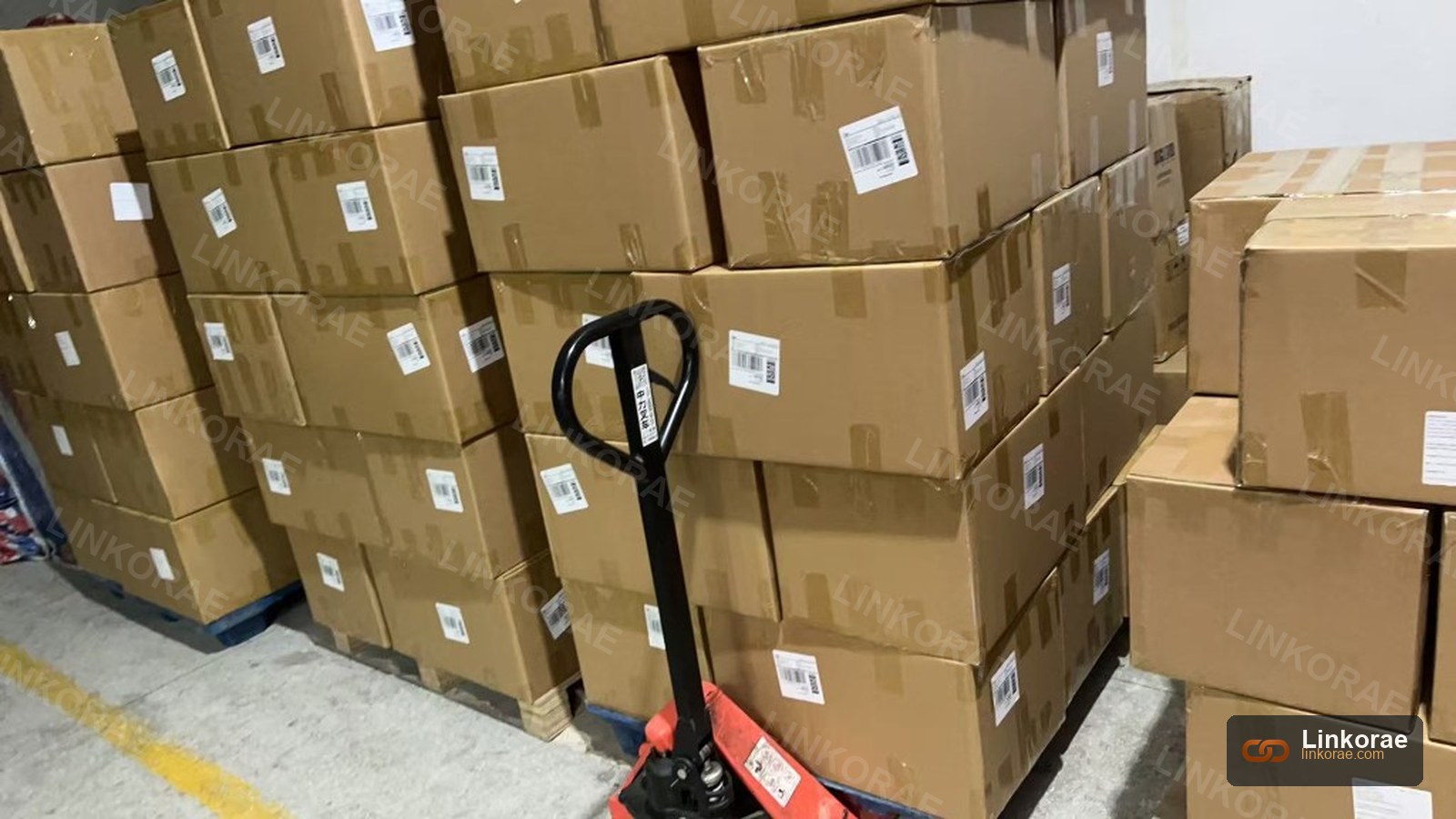
- No physical check of cargo against the packing list
- No verification that packaging meets requirements
- No check that certifications, MSDS, or authorisation letters exist before booking
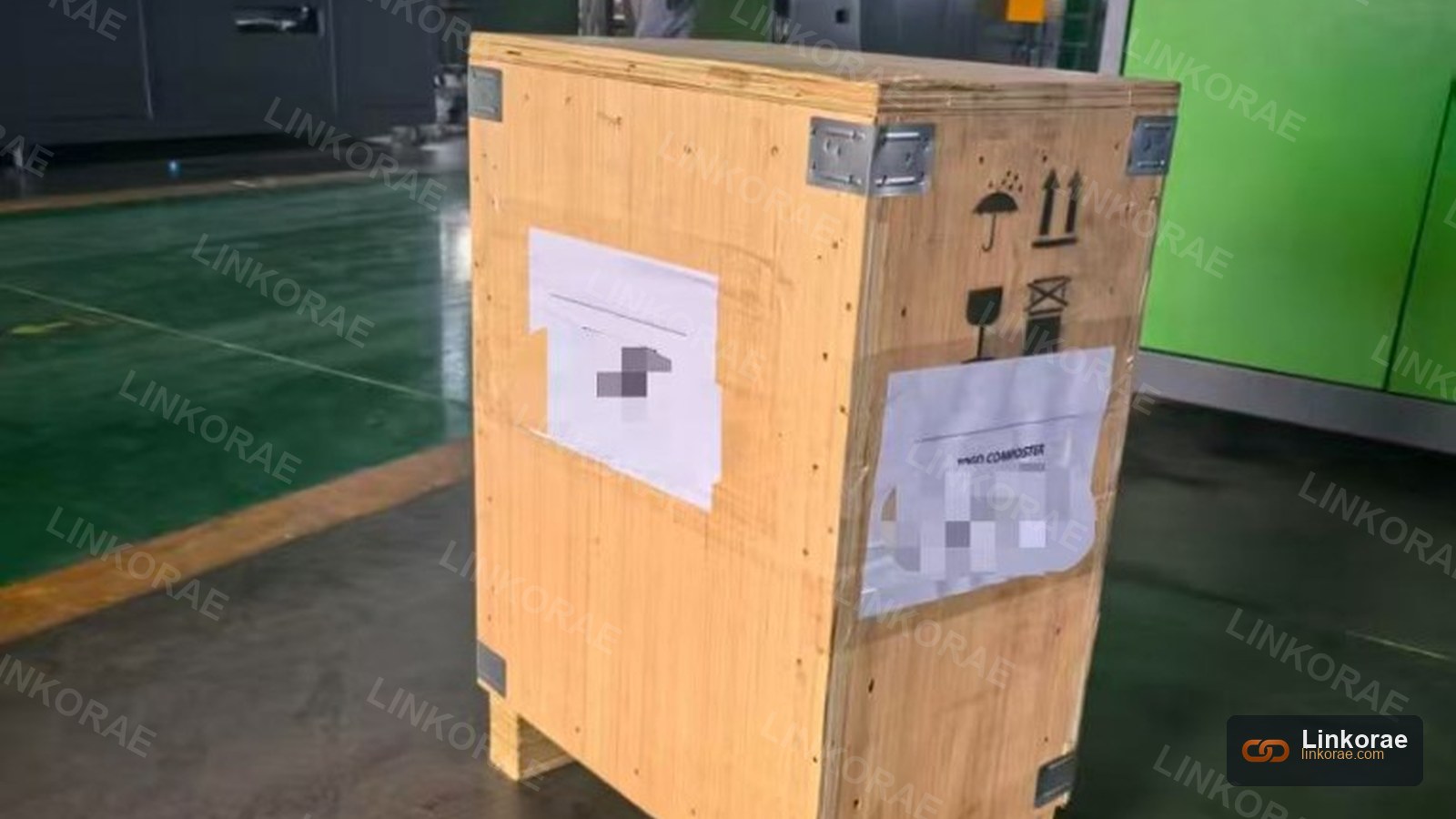
- No verification of wood packaging treatment
- No review of whether the declared description matches the goods
Every one of those steps costs labour hours. Skipping them is a genuine cost saving — for the forwarder. It becomes your cost the first time one of them would have caught something.
The arithmetic nobody runs
Suppose you’re comparing two quotes on an FCL shipment and the spread is $600. Over a year at one shipment a month, choosing the cheaper one saves $7,200. Real money.
Now price a single failure:
| Event | Typical cost |
|---|---|
| Container held for exam | Exam fee, plus demurrage and per diem while it sits |
| Wood packaging non-compliance | Re-treatment or re-export, plus storage |
| Missing certification | Cargo held, storage accrues daily |
| FBA appointment missed | Storage plus rebooking, plus stockout |
| Reclassification after audit | Back duties across prior entries, plus penalties |
A single held container routinely runs into four figures before anything is resolved. An audit-driven reclassification can reach well beyond that, because it applies retrospectively rather than to one shipment.
The saving is linear. The failure is not. You bank $600 a month and one event erases a year of it — and the events that erase it are precisely the ones that cost money to prevent.
This is not an argument for paying more. It’s an argument for knowing what you’re buying: when you take the cheapest quote, you are usually buying the same freight with less checking. Sometimes that’s the right trade. You should just know you’re making it.
When the cheapest quote genuinely is the best one
We’d be selling you something if we pretended otherwise. Take the cheapest quote when:
- The cargo is commodity and low-risk. Standard goods, unambiguous classification, no certifications, no special handling. There is genuinely less to get wrong. What sits in that bucket: what you can ship from China to the US.
- You control the declaration yourself. If you’re the IOR with your own broker and you approve the entry, the main risk variable is already in your hands.
- Timing is flexible. If a two-week delay costs you nothing, you can absorb the kind of failure that would be expensive for someone else.
- The value at stake is low. Don’t spend $600 protecting $2,000 of goods.
- The provider explains the gap credibly. Volume, direct contracts, a consolidation that’s already sailing — verifiable reasons, stated plainly.
The problem is never a low price. The problem is a low price you can’t account for.
How to actually compare quotes
Most importers compare a single number. That number is the least informative part of the quote. Normalise first:
- Force the same Incoterm. DDP against FOB is not a comparison. Convert everything to one basis.
- Force the same scope. Door to door, port to door, or port to port — pick one and re-quote everyone on it.
- Ask each provider for the declaration. HTS code and declared value, before booking. If two quotes assume different classifications, the price difference isn’t a price difference — it’s a duty difference, and it’s yours.
- Ask what’s excluded. Send the table above and ask which lines are not in the quote. This one question removes most of the spread.
- Ask who the Importer of Record is. Which entity files, on whose bond. If nobody can name it, that’s your answer.
- Ask what happens if the duty rate changes between quote and entry. Tariff rates moved twice in the first half of 2026. Whoever absorbs that movement should be written down.
- Compare transit reliability, not transit promise. Everyone quotes the same number of days. Ask what percentage of shipments on this lane hit it last quarter.
Once all seven are equal, the remaining price difference is a real price difference — and then, yes, take the cheapest one.
A note on how we price
We are not usually the cheapest quote you’ll receive. We’d rather explain why than pretend otherwise.
Our price includes work that doesn’t appear on a rate sheet: cargo checked against the packing list on arrival, packaging assessed before it ships, certifications and documentation verified before booking rather than after a hold, and a declaration that matches the goods.
Quotes below ours generally don’t differ in freight cost — freight is close to a commodity. They differ in how much checking happens, and in what gets written on the entry.
Sometimes that trade is worth taking, and we’ll tell you when we think it is. What we won’t do is quote you a number that only works if nothing gets inspected.
Send us the shipment and we’ll break it down
Send cargo details and any quote you’ve already received. We’ll tell you what’s in it, what isn’t, and whether the price difference is real — even if the answer is that you should take the other one. Free, no obligation. Mon–Sat, 08:00–22:00 China time (GMT+8).
Surcharge names and triggers vary by carrier and lane. Duty rates and customs regulations referenced here were current as of August 2026 and remain subject to rulemaking and litigation. Confirm classification and current rates with a licensed customs broker. This is general information, not legal advice.