
Four rules, not one. Lacey Act is the wood in the product — scientific name and country of harvest. ISPM 15 is the wood used to pack it — treated and stamped. Formaldehyde is the engineered panels. Flammability is the foam and fabric.
All four come from the supplier. All four have to be right before the container loads. What the rest of a furniture DDP move looks like: DDP shipping furniture from China — cost, timeline, delivery.
Four separate rules
People collapse these into “the wood paperwork.” They are four regimes, four agencies, four pieces of paper. Satisfying one does not satisfy the others.
| Rule | Covers | Enforced |
|---|---|---|
| Lacey Act | Product wood — species and harvest country | APHIS / CBP |
| ISPM 15 | Packaging wood — pallets, crates, dunnage, bracing | APHIS / CBP |
| Formaldehyde | Engineered panels — hardwood plywood, MDF, particleboard | EPA |
| Flammability | Upholstered goods — foam and fabric | CPSC / state |
A heat-treated pallet does not make the oak in the tabletop legal. A Lacey declaration does not put a stamp on the crate. A mill certificate for the MDF does not put a hang-tag on the sofa. Treat them as four questions, not one.
Lacey Act
The Lacey Act makes it illegal to import plant material that was illegally harvested, and it requires a declaration of what the plant is and where it was taken. For furniture, that means the wood in the product — frames, tops, veneers, solid parts — not the factory that assembled them.
The declaration needs four facts that factories routinely get wrong:
- Scientific name, genus and species. “Oak” is not a name. Quercus alba is. Common names, trade names and colour descriptions do not count.
- Country of harvest, not country of manufacture. Furniture made in Guangdong from Russian birch is harvested in Russia. The factory city is irrelevant. This is the error we see most often.
- Quantity and value of the plant material — not just the invoice total for the finished piece.
- HTS. The declaration is tied to the tariff line. APHIS keeps a schedule of codes that require one, and that schedule has been expanding. Check it against the current list, not last year’s.
Composite panels and mixed constructions need every species listed. A tabletop of oak veneer over a birch core over an MDF substrate is three plant entries, not one “wooden table.”
The legal standard is strict liability on the trafficking side, and due care on the paperwork side. “The factory told us it was oak” is not due care. Written species and harvest country from the supplier, per product, before you place the order, is. If they cannot produce it, you do not have a product you can enter.
ISPM 15
ISPM 15 is the international standard for solid wood packaging material. Crates, pallets, dunnage, bracing. It is a treatment-and-stamp rule, not a species rule.
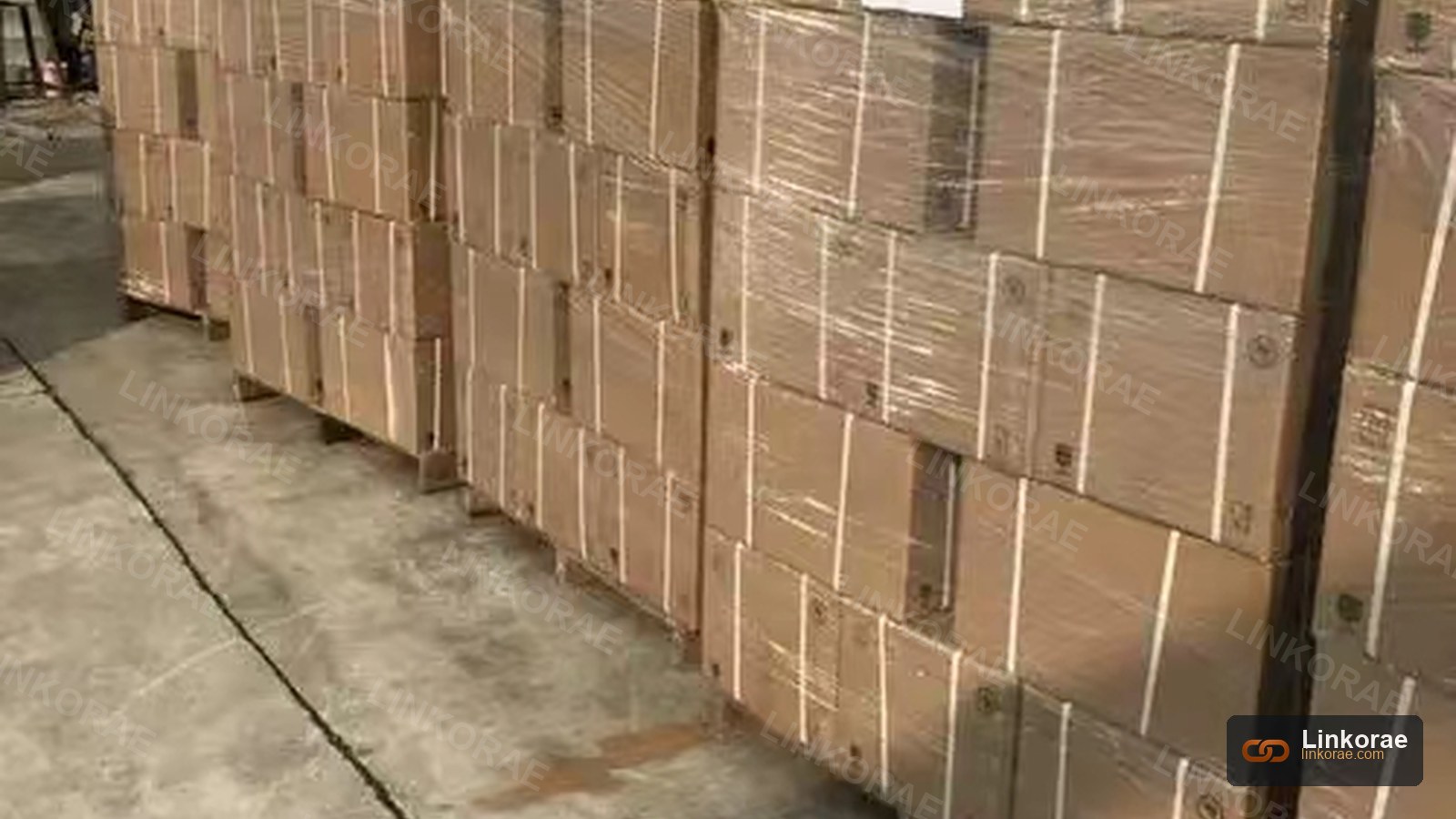
It does not cover plywood, OSB, particleboard, or wood under 6 mm. Those are processed, and pests do not live in them the same way. A plywood crate on a solid-wood pallet still needs the stamp on the pallet. Solid-wood battens on a plywood box still need the stamp on the battens.
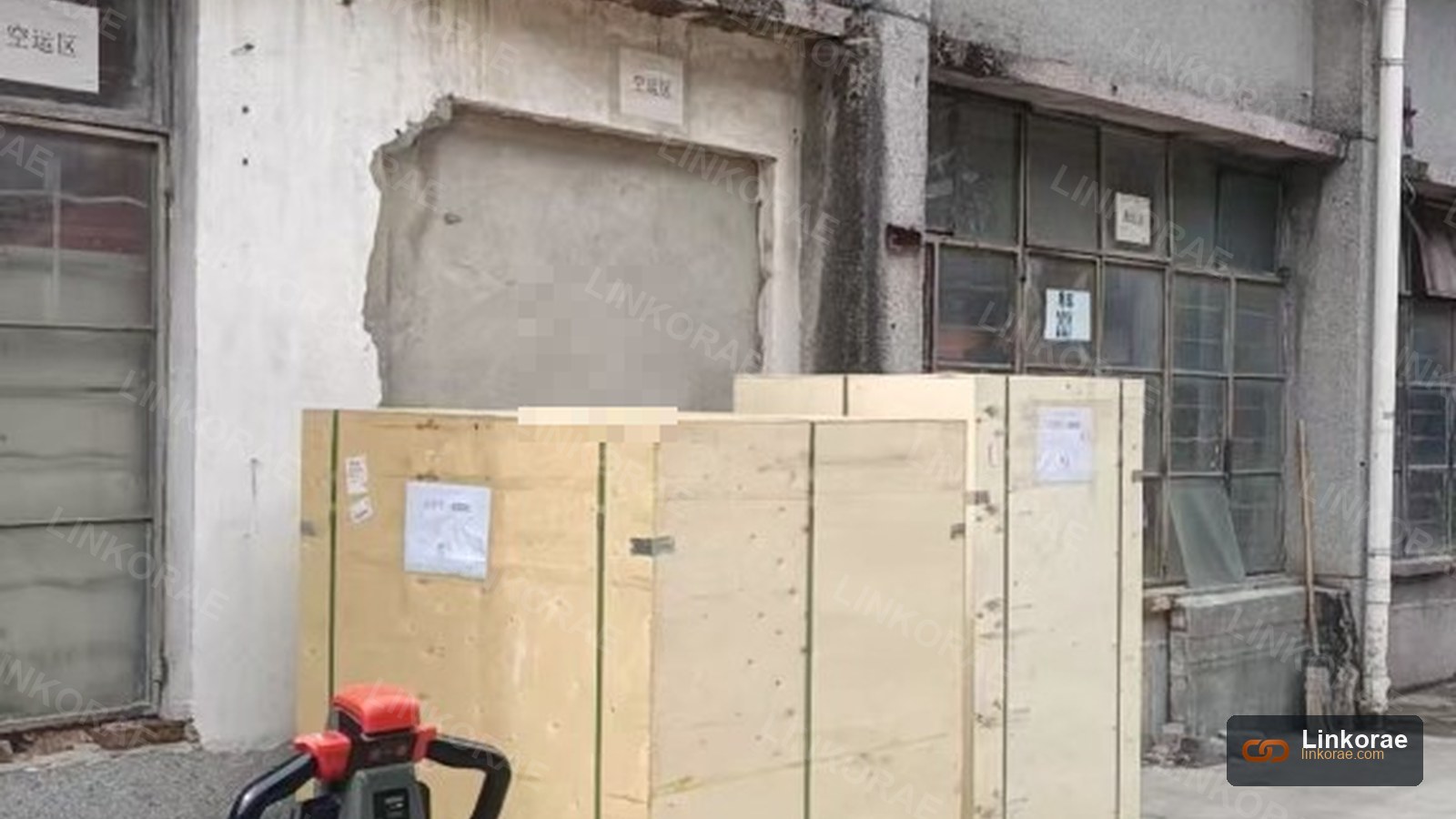
Compliant packaging is heat-treated or fumigated, then marked with the IPPC stamp: country code, facility number, treatment method (usually HT or MB). The mark has to be legible and on two opposite sides. One faded stamp on one face is a failure.
The failures we actually see:
- Untreated dunnage. The pallet is stamped. The factory then wedges a raw offcut under a crate to stop it rocking. That offcut is packaging wood. The whole load is now non-compliant.
- Illegible stamps. Paint, stretch wrap, or a stamp that was never struck on both sides.
- Repaired pallets. A broken board replaced with untreated lumber, or a pallet rebuilt without being re-treated and re-marked.
The consequence is not a fine and a warning. CBP and APHIS can require the entire shipment to be re-exported or destroyed. There is no “swap the pallet on the dock and release” path for missing treatment. Plastic pallets, presswood pallets, and plywood crates with no solid-wood parts remove the risk entirely — worth asking the factory for if the product can take them.
Formaldehyde
EPA TSCA Title VI covers hardwood plywood, medium-density fibreboard and particleboard — and finished goods that contain them. Most “wooden” furniture from China is at least partly these panels. Third-party certification, labelling, and a paper trail back to the mill are required.
The certificate belongs to the panel mill, not the furniture factory. That distinction is where the file usually breaks:
- The furniture factory switches mills mid-order. The certificate you have is for a mill that did not make this batch.
- The factory says the goods are “CARB compliant” or “EPA compliant” on WeChat. That is not a certificate.
- Labels are on the panel as it left the mill and never make it onto the finished piece or the carton.
Ask for the mill’s TSCA Title VI / CARB certificate, the third-party certifier name and number, and photos of the panel labels — before production, not after the container is sealed. If the mill changes, the file starts over.
Flammability
This one covers foam and fabric: sofas, mattresses, upholstered chairs, padded headboards. California TB 117-2013 is the standard retailers treat as national. Mattresses sit under CPSC 16 CFR 1632 and 1633 as well.
The requirement is a label on the goods, and test evidence behind it. Missing that label usually does not stop the container. CBP is not a furniture showroom. It stops you selling. A retailer will refuse it, a marketplace will delist it, and a CPSC recall is an exposure that outlasts one shipment.
If you are importing upholstered goods to sell, treat the label as a condition of the purchase order, not as something to sort out after arrival.
What CBP actually checks
Not all four, not every time, and not in the order the regulations are written.
The packaging stamp is first. It is visible. An officer can walk a container and see whether pallets and dunnage are marked. Untreated wood used as bracing is the fastest way to turn a furniture shipment into an APHIS problem.
Lacey is a consistency check. Does the species grow in the country you declared as harvest? “Chinese oak” harvested in Brazil, or a tropical hardwood harvested in Heilongjiang, gets a second look. Generic names, missing harvest country, and a description that does not match the goods in the box are what actually trigger a hold — not a botanist on the dock.
Formaldehyde and flammability are rarely the reason the container stops. They show up when the shipment is already flagged, or when a later CPSC or EPA action traces back to you. They are sales-and-recall problems more often than port problems. Plan for them anyway; the port is the wrong place to discover you cannot sell the goods.
A documentation hold on wood typically runs 7 to 21 days. There is no compensation. Demurrage and detention are yours. The cheapest version of this problem is the version that never leaves the factory.
Document checklist
Ask for these before the cargo is packed. After it is on the water, you are explaining, not collecting.
Solid wood in the product
- Scientific name — genus and species — for each wood component, not a trade name
- Country of harvest for each species (not the factory city)
- Quantity and value of the plant material
- HTS for the finished goods
- A written supplier declaration covering the above, per product
Engineered panels
- EPA TSCA Title VI / CARB certificate from the panel mill
- Third-party certifier name and number
- Photos of panel labels
- Confirmation that the mill on the certificate is the mill that made this batch
Upholstered goods
- The standard you are claiming (typically California TB 117-2013; mattresses 16 CFR 1632 / 1633)
- Photos of the label on the actual goods
- Test reports if a retailer or marketplace will ask for them
Every wooden shipment
- Photos of ISPM 15 stamps on two opposite sides of every pallet, crate and piece of dunnage — taken before loading
- Packing list that matches the declaration
- Commercial invoice whose description matches the goods
Photograph the stamps at origin. A stamp that was “definitely there” and is unreadable on arrival is a hold you cannot talk your way out of.
What we do and don’t
We do: file the entry; check that species, harvest country, description and HTS are consistent; flag missing documents before the cargo loads; photograph ISPM 15 stamps at the warehouse in China.
We don’t: produce Lacey declarations, issue formaldehyde certificates, or run flammability testing. Those are the supplier’s documents. We can tell you they are missing. We cannot invent them.
A forwarder who says they will “handle all the compliance” is describing something they cannot do. The honest version is: we will tell you which regimes apply, we will not load without the file, and we will not pretend a WeChat screenshot is a mill certificate.
Common questions
Does the Lacey Act apply to furniture imported from China?
Yes. Wooden furniture is a plant product. The declaration needs scientific name (genus and species), country of harvest, quantity, value and HTS — for the wood in the product, not the factory that assembled it.
What’s the difference between Lacey Act and ISPM 15?
Lacey Act covers the wood in the product: species and harvest country. ISPM 15 covers the wood used to pack it — pallets, crates, dunnage and bracing — which must be treated and stamped. Satisfying one does not satisfy the other.
Does plywood need ISPM 15 treatment?
No. Plywood, OSB, particleboard and wood under 6 mm are exempt. Solid wood packaging is not. A plywood crate still needs the stamp if it sits on a solid-wood pallet or uses solid-wood battens.
What happens if my wood packaging isn’t compliant?
CBP and APHIS can require the entire shipment to be re-exported or destroyed. Untreated dunnage, illegible stamps, and repaired pallets that were never re-marked are the usual failures. There is no fix-it-on-the-dock path for missing treatment.
Who provides the formaldehyde certificate?
The panel mill, not the furniture factory. Hardwood plywood, MDF and particleboard need third-party certification, labelling and traceability under EPA TSCA Title VI. A verbal “compliant” from the furniture supplier is not a certificate. Switching mills breaks the paper trail.
Can my freight forwarder handle Lacey Act compliance for me?
No. A forwarder files the entry and can check that the paperwork is consistent. They cannot produce a Lacey declaration, issue a formaldehyde certificate, or run flammability testing. Those come from the supplier, before the container loads.
How long is a wood shipment held if documentation is wrong?
Typically 7 to 21 days. There is no compensation for the delay. Demurrage and detention are yours.
Shipping wooden furniture?
Send a product description and a material breakdown. We’ll say which regimes apply and what to ask the supplier — ideally before you place the order. Free, no obligation. Mon–Sat, 08:00–22:00 China time (GMT+8).
Requirements verified August 2026 against APHIS, EPA and CPSC published guidance. Schedules change. This is general information, not legal advice.