
Nine times out of ten, the bill didn’t change — the cargo did.
Freight is charged on chargeable weight, not on the weight your supplier wrote down. When we re-measure at our warehouse and the cartons are bigger or heavier than declared, the number moves.
The other reasons are almost always destination surcharges nobody mentioned upfront: residential delivery, liftgate, storage past free time.
Below is every reason we actually see, and how to stop each one.
1. Chargeable weight, not actual weight
This causes most of the gap. It is also the one almost nobody explains before you book.
Freight is billed on the greater of two numbers:
- Gross weight — what the cargo actually weighs
- Volumetric weight — how much space it takes up, converted into kilos
Light, bulky cargo gets charged on space. Dense, heavy cargo gets charged on weight.
The conversion
| Mode | Volumetric formula |
|---|---|
| Express | L × W × H (cm) ÷ 5,000 |
| Air freight | L × W × H (cm) ÷ 6,000 |
| Sea (per kg) | CBM × 167 kg |
| Sea LCL | Charged on W/M — the greater of cubic metres and revenue tonnes |
| FCL | Not applicable — priced per container |
A worked example
Four cartons, each 57 × 37 × 37 cm. Gross weight 80 kg.
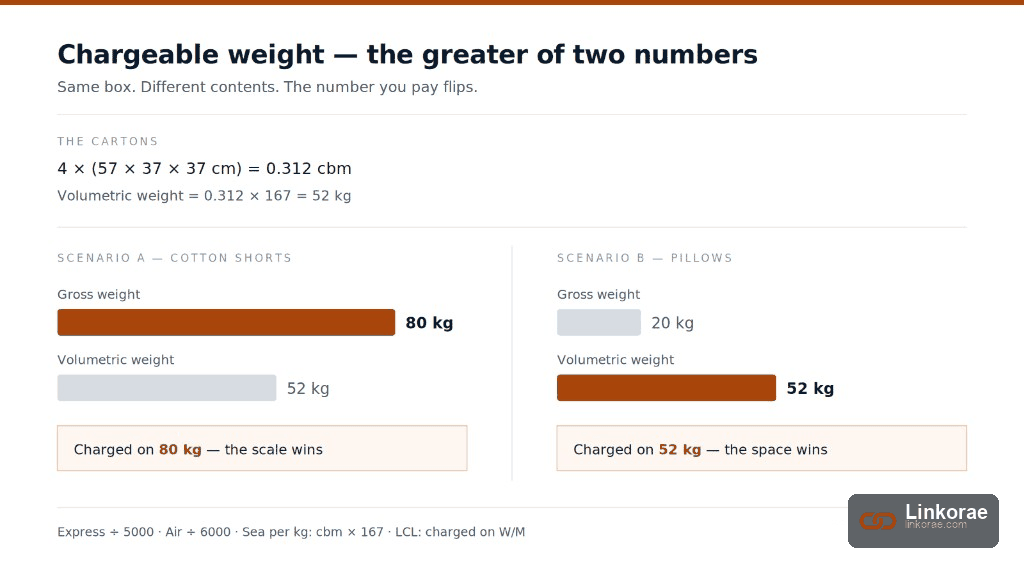
Same cargo, but imagine it were pillows instead of shorts — 20 kg gross instead of 80. The volumetric figure of 52 kg would win, and you would pay for 52 kg while the scale says 20.
That is not a surcharge. That is how freight has always been priced. The problem is only that your supplier gave you the scale weight and nobody converted it.
Send dimensions with the weight, every time. Length, width, height, carton count. Any forwarder who quotes without asking for dimensions is quoting a number they cannot hold.
2. Re-measurement at the warehouse
Every shipment is re-weighed and re-measured on arrival at our warehouse. This is standard across the industry, and it exists because supplier figures are frequently wrong — not dishonest, just estimated.
Common causes of a gap:
- Cartons bulge once packed and measure larger than the flat spec
- Pallets add 12–15 cm of height and 20–25 kg of weight
- Master cartons get swapped for a different size at the last minute
- The supplier measured one carton and multiplied
Ask your supplier for the packed dimensions of the final cartons, not the design spec. If the goods will be palletised, say so at quoting stage.
3. Palletising, crating and repacking
If cargo arrives loose, damaged, or in cartons too weak to travel, it has to be repacked before it ships. Oversized items — furniture, fitness equipment, anything with a fragile surface — usually need a plywood crate.
This work is real and it is charged. It also adds weight and volume, which feeds straight back into reason #1.
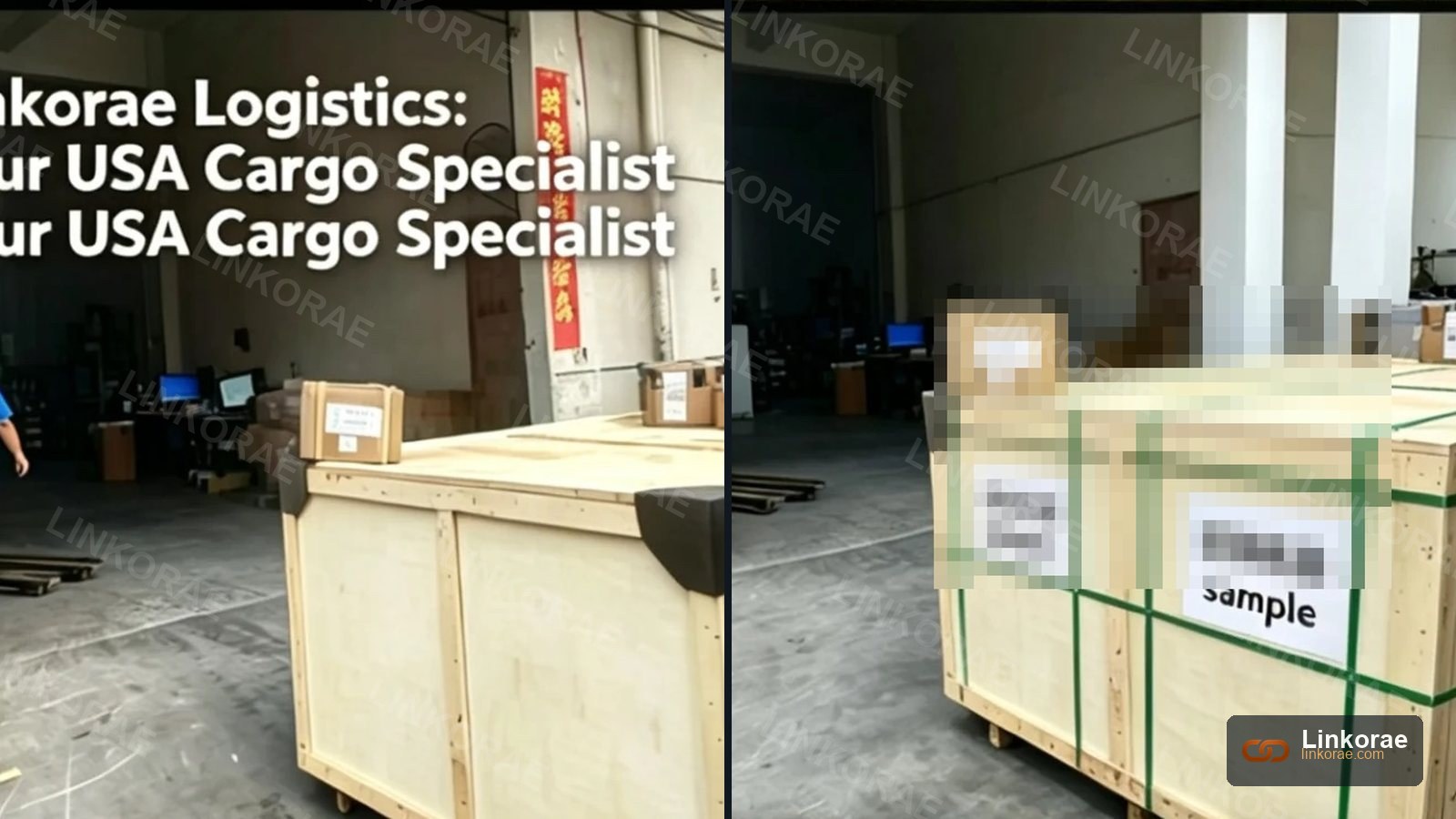
Tell us the packaging at quoting stage. Send a photo if you are unsure. We will tell you whether it will travel as-is.
4. Residential delivery and liftgate
This is the biggest surprise on US door deliveries, and it has nothing to do with the ocean leg.
- Residential delivery — a home address, or a business in a residential zone, is charged differently from a commercial dock
- Liftgate — if there is no loading dock, the truck needs a hydraulic tailgate to get the freight to the ground
- Inside delivery — carrying goods past the threshold is a separate service
- Limited access — schools, storage facilities, farms, construction sites
For a single sofa going to a house, these can add more than the ocean freight itself.
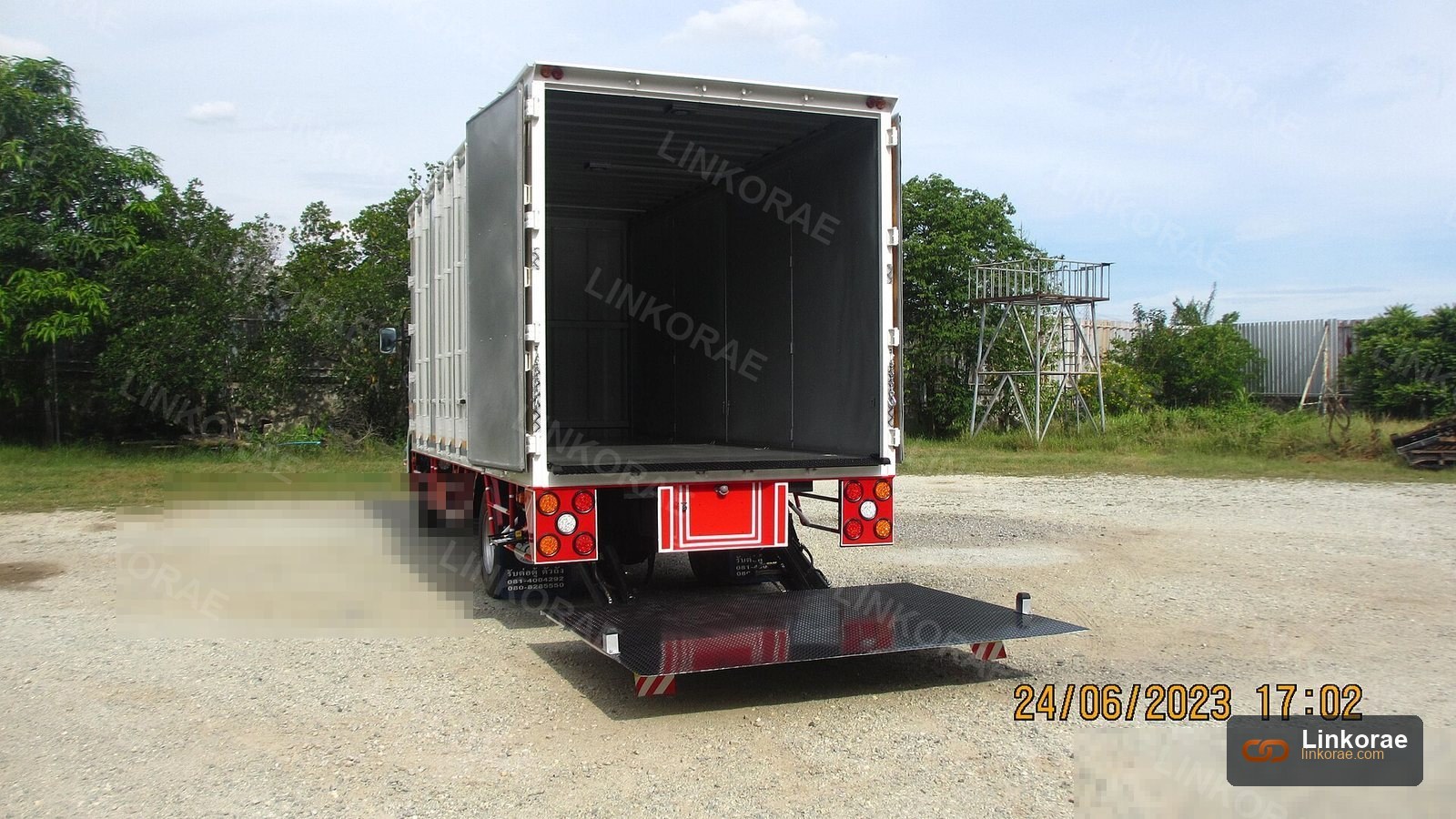
Give the exact destination ZIP and say whether it is residential and whether there is a dock. Two lines of information, and the quote stops moving.
5. Oversize and overweight pieces
Most carriers apply surcharges above certain limits per piece. Typical trigger points:
- Any single dimension over 2.3 m
- Any single piece over 500 kg
Furniture and fitness equipment cross these thresholds regularly.
Send the dimensions of the largest single piece, not the average.
6. Storage, demurrage and detention
Every quote includes a period of free time. Past that, charges accrue daily and they are not ours — they belong to the terminal or the carrier.
- Storage — cargo sitting at the destination warehouse
- Demurrage — a container sitting at the port
- Detention — a container held after it leaves the port
The most common trigger is not slow logistics. It is a delivery appointment that cannot be scheduled because the receiving site is not ready.
Confirm the receiving site can take the shipment before the vessel arrives, not after.
7. Customs examination
US Customs can pull any container for inspection. When that happens there are exam fees, drayage to and from the exam site, and days of storage while it waits.
No forwarder can prevent this, and no forwarder absorbs it. What we can do is reduce the odds: accurate descriptions, correct HS codes, and a declared value that matches the commercial invoice.
Describe the goods precisely. “Textiles” invites a look. “Men’s cotton knitted shorts, 100% cotton” does not.
8. Duty changes on DDP shipments
On DDP, duty sits inside the per-kg rate. That rate is calculated from the product category and the declared value you gave us.
If either changes — a different HS classification at entry, a higher invoice value, a product mix that shifted after quoting — the duty changes and the rate no longer holds.
If your product mix or invoice value changes after you receive the quote, tell us before you ship. Re-quoting takes minutes. Correcting an entry takes weeks.
How to get a quote that doesn’t move
Send these seven things and the number you are quoted is the number you pay:
- Carton count and packed dimensions of each carton type
- Gross weight, including pallets if palletised
- Exact product description and material
- Declared value on the commercial invoice
- Destination ZIP code — and whether it is residential
- Whether there is a loading dock
- Any batteries, magnets, liquids or powders
Everything on that list exists to remove a variable. Miss one and it becomes an estimate.
How we handle it
Our quote states the chargeable weight it is based on and shows the arithmetic. If your figures are accurate, the total on the quote is the total on the invoice.
When our warehouse measurement differs from what was declared, we send you the revised numbers before the cargo ships — not on the final bill. You decide whether to proceed.
Not sure how your cargo will measure up?
Send the packing list and the destination ZIP. We come back with the chargeable weight and a firm number the same working day. Mon–Sat, 08:00–22:00 China time (GMT+8).