
West Coast typically 30 to 45 days door to door. East Coast 45 to 60. Ocean is the most predictable stage. Booking and the final mile take longer than most people budget. A customs exam adds 7 to 21 days that nobody compensates. Special containers need 2 to 3 weeks of booking lead.
All days here are industry-typical ranges, not a promise on any one shipment. What the DDP quote itself covers: oversized DDP from China — what’s included, what’s billed later.
The whole thing in one table
Read this once, then plan against it. Booking lead can overlap with factory finish; the door-to-door totals assume they mostly don’t.
| Stage | Typical duration | How predictable |
|---|---|---|
| Factory to warehouse | 3–7 days | Moderate |
| Booking / space | 5–10 days lead; 2–3 weeks for special equipment | Low for special |
| Load and depart | 2–4 days | High |
| Ocean, South China → West Coast | 14–20 days | High |
| Ocean, South China → East Coast | 28–35 days | High |
| Discharge and customs | 3–7 days; exam adds 7–21 | Moderate |
| Port to door | 5–10 days | Low |
| Door to door, West Coast | 30–45 days | — |
| Door to door, East Coast | 45–60 days | — |
The two stages marked low — special-equipment booking and port to door — are where a tidy 40-day plan becomes 60. Ocean almost never is.
Factory to port
The clock should start when the goods are finished. It often starts later, because they aren’t.
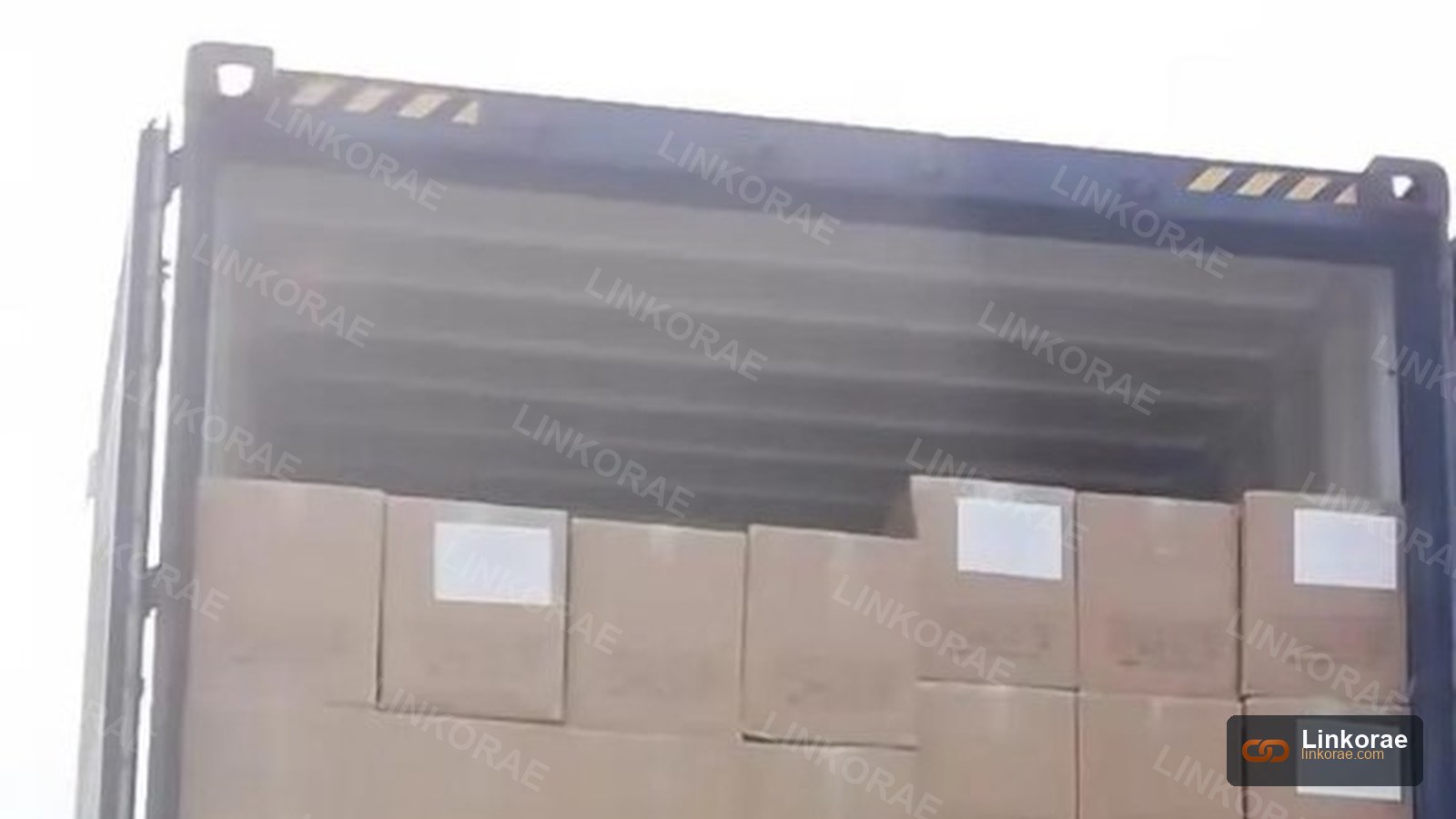
Anything over 50 kg, or with a longest side over 150 cm, has to be crated or framed in wood. Crating is not a same-day add-on. Timber, labour, and a slot at the crate shop all have queues of their own. Then solid wood needs ISPM 15 fumigation, and fumigation yards have queues too — especially in peak and in the fortnight before Chinese New Year.
Where the factory sits changes the rest of origin. Shenzhen, Guangzhou and Yiwu feed warehouses that already handle this cargo. Xiamen, Foshan and Qingdao usually add an inland transfer before the box is even at a loadable yard.
Two things compress this stage: order crate materials with the goods, not after them; and book fumigation before the crates are finished, not after. Wood paperwork that CBP actually checks: Lacey Act, ISPM 15, what CBP checks.
Booking and space
A standard container off-peak is about a week of lead. That is the number most 40-day plans were built on.
A flat rack or open top is 2 to 3 weeks, and not at every origin port. The equipment has to exist in the right place, on the right sailing, with a vessel that will take out-of-gauge cargo. Breakbulk is a project: weeks to months, fewer sailings, and a survey on the US side before anyone commits a date.
The mistake we see most: a production date is locked, a 40-day door-to-door is assumed, and then the flat rack is three weeks out. Equipment availability should shape the production date. Not the other way around. Which box you actually need: 40HQ, flat rack, or breakbulk.
Ocean transit
This is the part everyone quotes, because it is the part that holds.
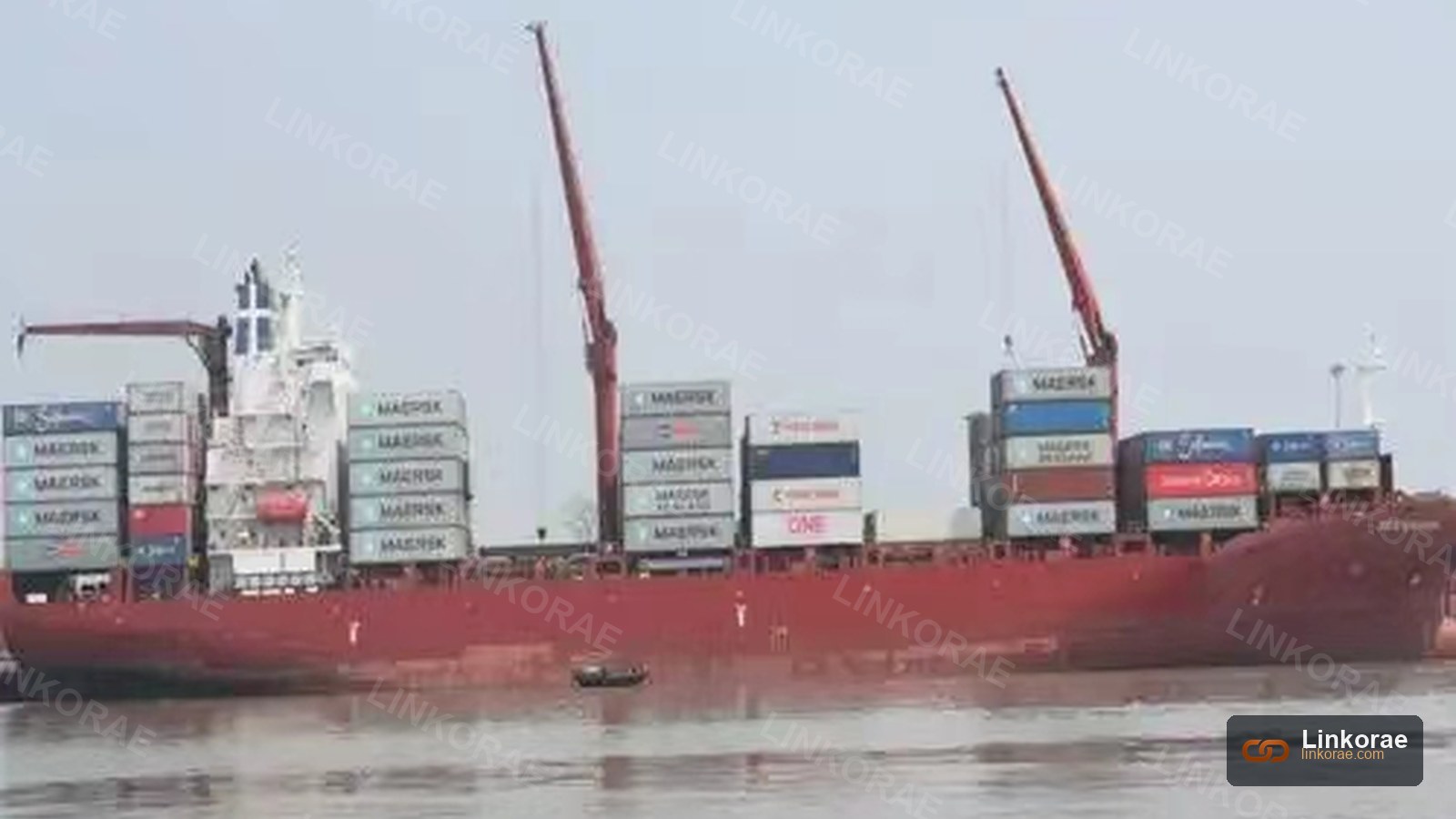
South China to the West Coast: 14 to 20 days. South China to the East Coast via Panama: 28 to 35. The spread is structural — more water, a canal, fewer weekly strings — not a seasonal surprise.
If the destination is east of the Mississippi, price both coasts. A faster West Coast arrival plus a long inland haul is often slower, and more expensive, than sailing further. How that decision actually pays: West Coast or East Coast — the cheaper port isn’t always the cheaper shipment.
Discharge and customs
Normal discharge and clearance: 3 to 7 days. An exam: 7 to 21 on top. There is no compensation for the delay.
What triggers an exam, in the order we actually see:
- Description mismatch — the most common. The entry says one thing; the cargo is another.
- A flagged category — wood, furniture, and a few industrial headings get more attention than generic consumer goods.
- Random selection — no story, no warning, no pattern you can plan around.
- Importer history — previous holds, previous mismatches, previous “Furniture” on a crate of mixed product.
Specific declarations beat “Furniture”. A hold is cheaper to prevent in Shenzhen than to sit out in Long Beach.
Port to door
Five to ten days, and the least predictable stage on the list.
The truck has to match the piece — a 26-ft with a liftgate, or a 53-ft with none. Appointments are required. FBA warehouses run their own queues, and in peak those queues are the schedule. Some addresses need a transload to a smaller vehicle before anyone can reach the door. What that looks like on the ground: liftgate, residential, no dock. If the destination is an Amazon FC: oversize items to Amazon FBA from China.
Upstream delays compound here. A vessel that arrives five days late does not just shift delivery by five days — it often lands you in a fuller appointment book, and the wait stretches again.
Peak season
Three windows matter, and they stack:
- June to August — Prime, back-to-school, and the inventory push that feeds both.
- November to December — Q4. Space, chassis, and FBA appointments all tighten together.
- Chinese New Year — factories close 2 to 4 weeks. The fortnight before is a rush, and quality drops. Goods that were “almost finished” on the last working day often aren’t.
In peak, add 30 to 50 percent to the whole timeline — not just ocean. Booking lead stretches, fumigation yards back up, and last-mile appointment books fill. A 40-day West Coast plan becomes 52 to 60. An East Coast plan that was already 55 becomes something you cannot launch a listing against.
How to build a timeline
Work backwards from the date the goods have to be sellable. Use the high end of each range. Here is a West Coast FBA shipment that needs to be live on Amazon on 1 November:
| Working backwards | Duration used | Must complete by |
|---|---|---|
| Live on Amazon | — | 1 Nov |
| FC processing | 3–5 days | 27 Oct |
| FBA appointment (peak) | 5–10 days | 17 Oct |
| Port to warehouse | 5–7 days | 10 Oct |
| Discharge and customs | 3–5 days | 5 Oct |
| Ocean, West Coast | 14–20 days | 15 Sep |
| Load and depart | 2–4 days | 11 Sep |
| Booking | 5–10 days | 1 Sep |
| Factory to warehouse | 3–7 days | 25 Aug |
That is 68 days before live, and it assumes no exam. If an exam would break the launch, add three weeks of buffer — production finished by 4 August, not 25 August.
Put the buffer on booking and last mile, not ocean. Ocean is the stage that already holds. Padding it does not buy you a later production date; it just hides the two stages that don’t.
What we can and can’t compress
What we can: booking, via relationships and knowing which ports actually have the equipment; origin documents, so clearance is not waiting on a missing page; FBA appointment speed, if the pallets and labels are already right; catching problems in China, where a missing stamp is a day, not a month.
What we can’t: the vessel; exam selection; port congestion; the factory finish date. Those four belong to other people. Promising them away is how 40-day plans get sold.
A missing fumigation stamp is one day to fix in Shenzhen. The same stamp missing in Long Beach is weeks — the cargo sits, the exam clock may start, and nobody is compensating you for either.
Common questions
How long does oversized shipping from China to the US take?
West Coast typically 30 to 45 days door to door; East Coast 45 to 60. Ocean is the predictable part. Booking special equipment and the final mile are where plans stretch. A customs exam adds 7 to 21 days with no compensation.
Why does the final mile take so long for oversized freight?
Equipment has to match the piece, appointments are required, FBA queues run long in peak, and some addresses need a transload. It is the least predictable stage — typically 5 to 10 days, longer when upstream delays push you into a fuller appointment book.
How far ahead do I need to book a flat rack container?
Two to three weeks, and not every origin port has them. Standard containers are about a week off-peak. Equipment availability should shape the production date, not the other way around.
How long does a customs examination take?
Seven to 21 days on top of normal clearance. Nobody compensates for it. The most common trigger is a declared description that does not match the goods.
Is West Coast or East Coast faster?
West Coast. South China to the West Coast is 14 to 20 days on the water; to the East Coast via Panama is 28 to 35. Door to door that is 30 to 45 versus 45 to 60. If the destination is east of the Mississippi, price both — inland from the West Coast can erase the ocean advantage.
How much buffer should I build in?
Put buffer on booking and last mile, not ocean. If a customs exam would break the launch, add three weeks. In peak season — June to August, November to December, and around Chinese New Year — add 30 to 50 percent to the whole timeline.
Working to a deadline?
Send the target date, packed dimensions, and the US delivery address. We’ll build the timeline backwards and tell you when production has to finish. Free, no obligation. Mon–Sat, 08:00–22:00 China time (GMT+8).
Industry-typical ranges verified August 2026. Not a quote. Peak season and customs exams extend these figures. This is general information.